Tribal Knowledge Is Technical Debt: The Hidden Liability in Your Firm
The undocumented knowledge in your senior people's heads is an asset until they leave. Then it becomes a crisis. Here's how to think about tribal knowledge.
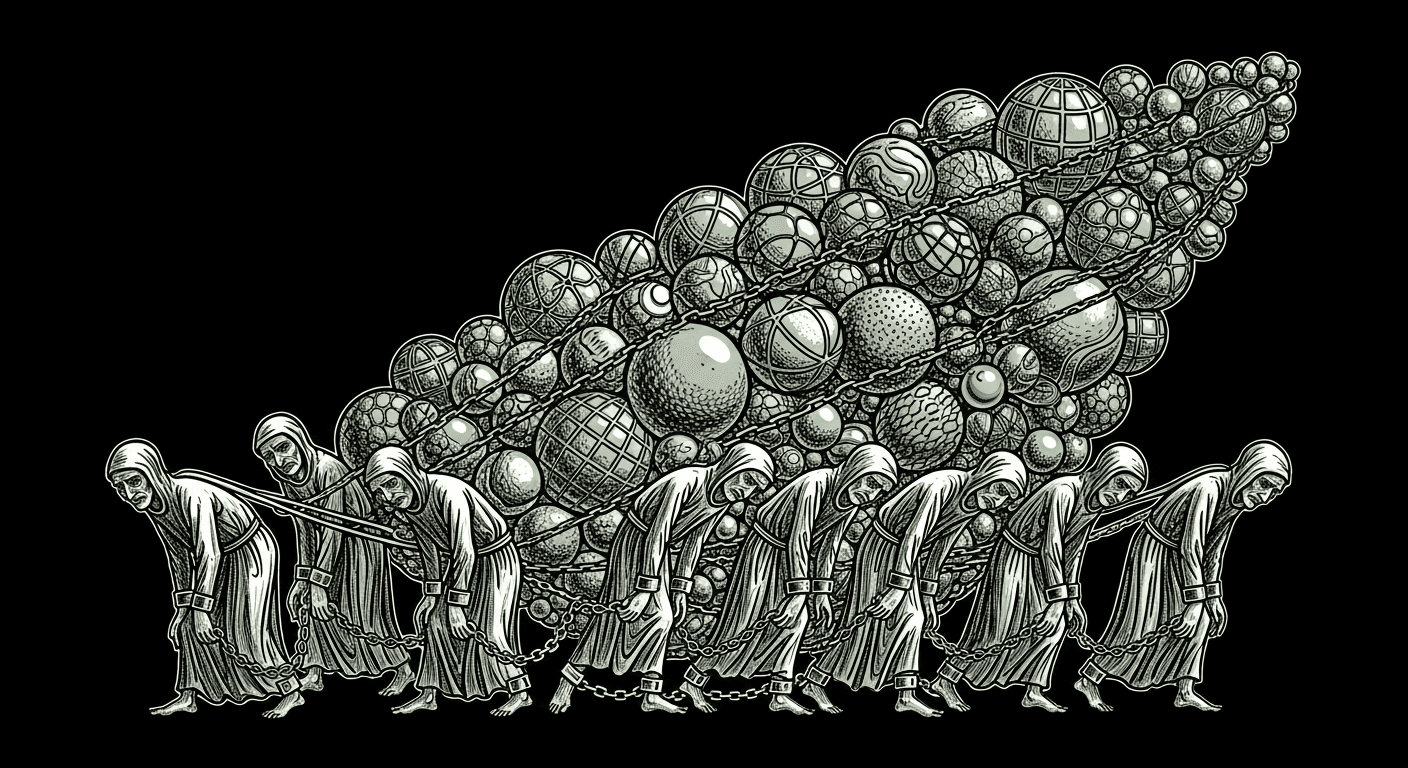
The Knowledge That Lives in Sarah's Head
Every firm has critical knowledge that isn't documented anywhere. It lives in the heads of long-tenured employees. It's the context behind the process. The "why" that explains the "what." The exception handling that isn't in any manual because "everyone knows" to do it that way.
When Sarah is at her desk, this seems fine. She knows everything. She answers questions. She catches problems before they escalate. She's invaluable.
When Sarah takes a two-week vacation, you discover how dependent you've become. When Sarah leaves the firm, you discover it's a crisis.
The Debt Metaphor
Software engineers talk about technical debt: shortcuts in code that work fine now but create problems later. They save time upfront but cost more time downstream. The longer you ignore them, the more expensive they become.
Tribal knowledge is the same pattern. Every process that lives only in someone's head is a shortcut. It works while that person is around. It creates a liability for later.
Like technical debt, tribal knowledge accrues interest. The longer it stays undocumented, the harder it becomes to extract. Practices evolve. People forget why they started doing things a certain way. The knowledge becomes implicit, embedded in habits rather than conscious memory.
Why Documentation Alone Doesn't Fix It
The obvious response is "document everything." Get Sarah to write it all down. Create a wiki. Build a knowledge base.
This helps, but it doesn't solve the problem for two reasons.
First, people don't read documentation. We wrote about this already. Documentation that nobody follows is just liability with extra steps.
Second, the most valuable tribal knowledge is hard to document. It's not procedures. It's judgment. It's knowing which client needs extra hand-holding. It's sensing when a project is going off the rails. It's the intuition built from years of pattern recognition.
You can't capture that in a bullet-pointed SOP.
From Tribal to Institutional
The goal is to turn tribal knowledge into institutional knowledge. Not just documented but adopted. Not just written down but living in people's heads and showing up in their work.
This requires capturing judgment, not just steps. The valuable knowledge isn't "do X, then Y, then Z." It's "when you see this pattern, consider these options." Scenario-based learning, asking people "what would you do if...," transfers this kind of knowledge better than documentation. Making the implicit explicit is a skill that can be developed.
It also requires systematic reinforcement. Institutional knowledge fades just like any other knowledge. Spaced repetition applies here too. The knowledge needs to be surfaced regularly, tested through scenarios, and refreshed before it decays.
And it requires measuring what people know. You can't manage knowledge transfer without visibility into knowledge gaps. If you don't know who knows what, you can't target reinforcement where it's needed.
The True Cost of Key Person Dependency
Tribal knowledge creates key person dependency. And key person dependency has costs beyond the obvious.
You can't scale. If knowledge lives in a few people's heads, growth means those people become bottlenecks. They review everything. They answer every question. They become the ceiling on your capacity.
You can't delegate. Partners who can't trust that junior staff have the knowledge to do work correctly end up doing it themselves. The promise of leverage never materializes.
You can't sell. A firm dependent on specific individuals has less value than one with institutional capability. Buyers pay for systems, not for hoping key people stick around.
You can't sleep. Key person dependency means constant anxiety about departures, illnesses, and burnout. The firm's stability rests on individuals showing up every day.
Paying Down the Debt
Tribal knowledge debt doesn't pay itself down. It requires intentional investment.
Identify the critical knowledge. What does each key person know that would cause problems if lost? Be specific. Not "client relationships" but "the specific history and preferences of our top 20 clients."
Create transfer mechanisms. Documentation is one tool, but not the only one. Scenario-based training, shadowing, pair work, and explicit knowledge-sharing sessions all help. The key is making transfer systematic rather than accidental.
Reinforce continuously. Knowledge transferred once still decays. Build reinforcement into workflows so institutional knowledge stays current.
Track progress. Know who has what knowledge. Identify gaps before they become emergencies.
This is exactly the kind of work that Codex supports: turning the knowledge in people's heads into durable institutional capability that doesn't walk out the door when they do.
The Compound Effect
Firms that systematically convert tribal knowledge into institutional knowledge gain compound advantages.
New hires ramp faster because they're learning from the institution, not just from whoever happens to sit next to them. Senior people have more time because they're not constantly answering the same questions. Quality becomes more consistent because everyone is working from the same knowledge base. The firm becomes more valuable because it doesn't depend on specific individuals.
The tribal knowledge debt is real. Paying it down takes effort. But the alternative is a firm that's always one resignation away from crisis.