The Cost of Inconsistency: What Happens When Service Consistency Breaks
When quality depends on who picks up the phone, you have a lottery, not a service. Here's what poor service consistency actually costs.
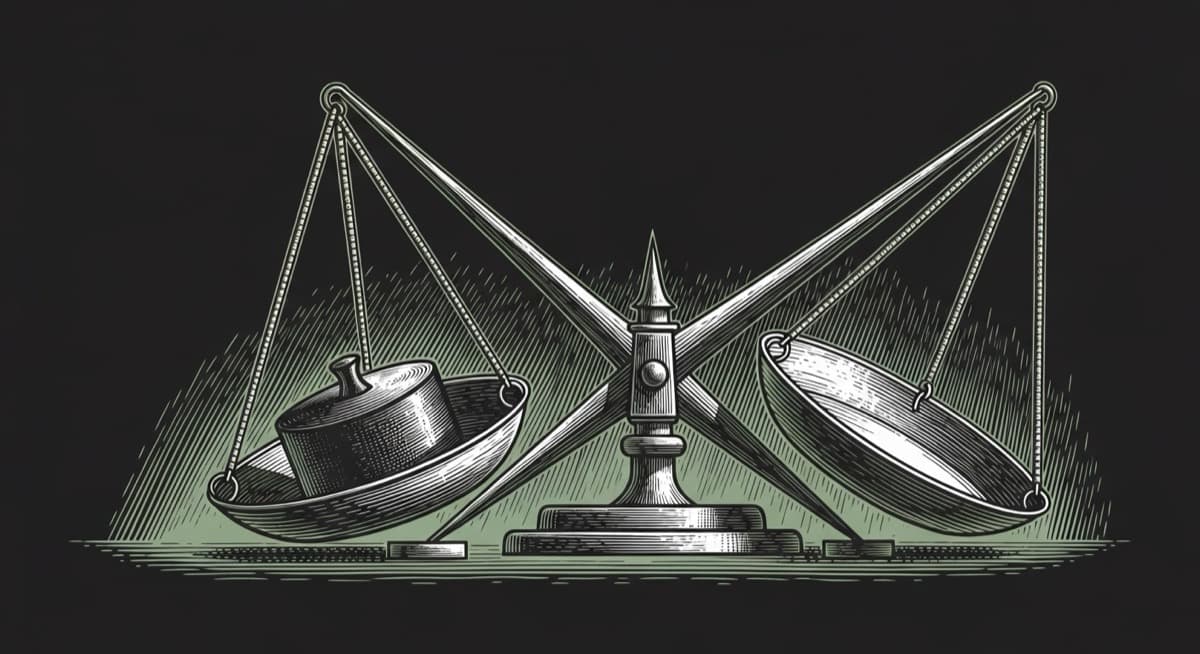
The Client Experience Lottery
If a client calls your firm three times and gets three different people, will they get the same quality of service?
For most firms, the honest answer is "it depends." Service consistency varies based on who picks up the phone. Whether they're having a good day. How long they've been with the firm. Whether they happened to learn the same version of the process.
That's not a service. That's a lottery.
The Hidden Tax on Your Firm
Inconsistency is hard to see. You don't notice the work that had to be redone because someone missed a step. You don't count the hours your senior people spend reviewing and fixing junior work. You don't measure the margin erosion from inefficiency.
But the costs are real. The rework tax is one of the largest hidden expenses in professional services.
Rework costs money. Every engagement that needs to be fixed takes time that could have been billed or spent on new work.
Review bottlenecks kill growth. When partners can't trust the work without reviewing everything, you can't scale. The partner becomes the ceiling.
Client trust erodes slowly. Clients don't always complain about small inconsistencies. They just quietly form an opinion about your reliability. And then they leave.
Your best people burn out. Nothing demoralizes a high performer faster than constantly cleaning up after colleagues who "do it differently."
When "Flexibility" Becomes "No Standards"
Firms often resist standardization because they value flexibility and professional judgment. Every client situation is different. Experienced professionals need latitude.
But there's a difference between situational judgment and no standards at all.
Clear standards actually enable better judgment. When the basics are automated and consistent, professionals can focus their expertise on the parts that actually require it. When every engagement is a custom engagement, even routine tasks consume cognitive load.
This is where capturing judgment, not just steps becomes essential. The goal is to standardize what should be standard while preserving space for expertise.
The Cascade Effect
Inconsistency compounds. One person's shortcut becomes another person's process. A workaround invented during a crisis becomes institutional practice. Before long, you have five different ways of doing the same thing, none of them documented, and a new hire learning whichever version their buddy happens to teach them.
This is how variance becomes culture. Not through a decision, but through drift. And it makes it nearly impossible to diagnose whether you have a process problem or a people problem.
Building Service Consistency That Scales
The answer isn't micromanagement. Nobody wants a firm full of robots following scripts. The goal is reliable excellence: service consistency that clients can count on, delivered by professionals who have the knowledge they need when they need it.
This requires clear standards for the things that should be standard. Not every judgment call, but the foundational processes that affect quality and compliance. It requires ongoing reinforcement, because training once isn't enough. Memory decays. People forget. And it requires visibility into what's actually happening, so you can fix inconsistency you can see before it becomes a quality issue.
The Competitive Advantage of Boring Consistency
Every firm claims to have great people. Quality that doesn't depend on which person you happen to get is rarer.
Consistency is unsexy. But it's the foundation that everything else is built on: client retention, scalability, profitability, and the ability to sleep at night.
Firms with reliable consistency build something worth more than any individual's reputation. Without it, you stay trapped: dependent on heroes, unable to scale, and one key departure away from crisis. Great operators understand this, which is why they build systems instead of relying on heroics.