How to Diagnose a Process Problem vs. a People Problem
When things go wrong, is it the process or the person? Here's a framework for diagnosing the real cause and fixing it correctly.
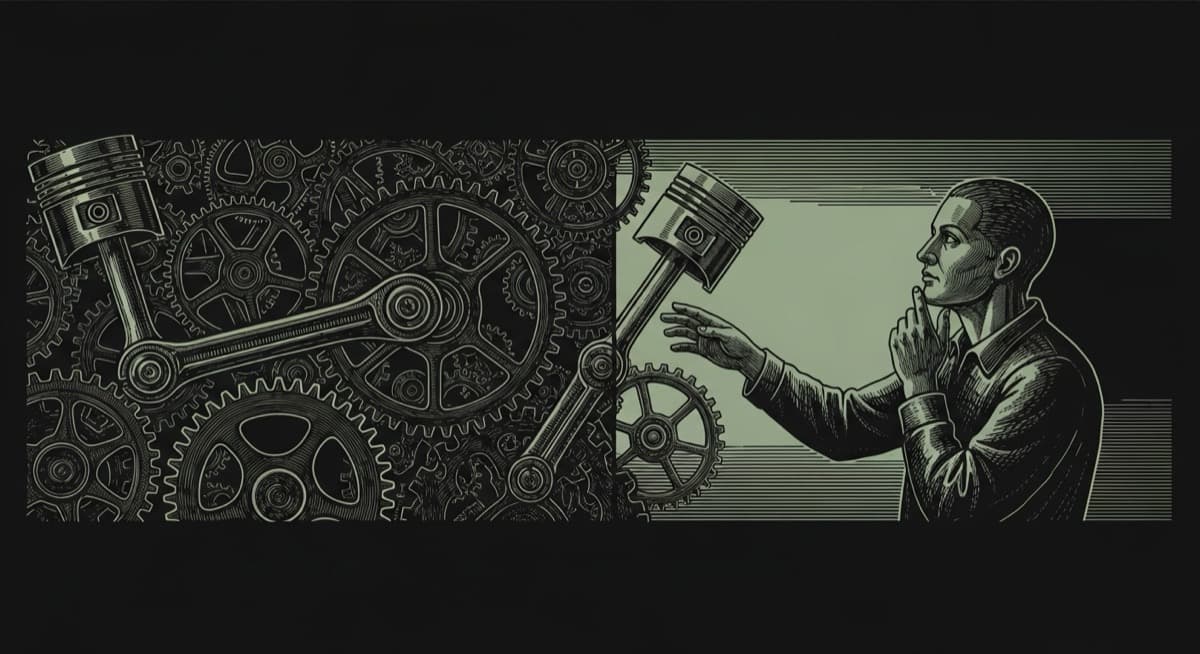
The Attribution Error
Something went wrong. A deadline was missed. A client complained. An error slipped through.
The instinct is to find who made the mistake. Name the person. Address it with them. Move on.
This instinct is often wrong.
When errors happen, we over-attribute to individuals and under-attribute to systems. The person who made the mistake is visible. The system that set them up to fail is invisible.
This is why the same problems keep happening. You address the person. Another person makes the same mistake later. Because the system that produces the error is still in place.
The Diagnostic Framework
Here's how to tell whether you're facing a process problem or a people problem.
If multiple people make the same mistake, it's a process problem. One person failing might be individual. Many people failing the same way is systemic. The process isn't preventing the failure mode it should prevent.
If the person has succeeded at similar tasks before, it's probably a process problem. When someone who usually does good work fails, something in the context changed. What's different about this situation? What support was missing?
If the error was predictable, it's a process problem. Known failure modes should have guardrails. If you could have anticipated the error and didn't build prevention, that's a system gap.
If the person didn't have the knowledge they needed, it's a process problem. This is the SOP gap in action. The knowledge should have been in their head and wasn't.
If the person had the knowledge and chose not to use it, it might be a people problem. This is the genuine people problem: capability without compliance. But even here, ask why. Are incentives misaligned? Is the process too cumbersome to follow?
The 95/5 Rule
W. Edwards Deming, the quality management pioneer, estimated that 95% of problems are process problems and only 5% are people problems.
This seems extreme until you think about it. Most errors aren't caused by malice or incompetence. They're caused by systems that make errors easy and prevention hard.
People come to work wanting to do well. When they fail, the question isn't "what's wrong with them?" but "what about the environment made failure likely?"
This isn't about avoiding accountability. It's about fixing problems effectively. If you blame people for process failures, you feel good about taking action but you haven't fixed anything. The next person will make the same mistake.
Common Process Failures That Look Like People Problems
Knowledge gaps that seem like carelessness. "They should have known that" often means the training didn't produce durable knowledge. Testing whether people actually know something reveals whether it's a knowledge gap or a choice.
Inconsistency that seems like lack of standards. When different people do things differently, it often reflects unclear or unenforced standards rather than people ignoring rules they know.
Errors that seem like lack of attention. High error rates often reflect cognitive overload, inadequate checklists, or missing verification steps. These are system issues, not attention issues.
Missed handoffs that seem like poor communication. Handoffs leak information by default. Without systems to preserve context, even excellent communicators will drop things.
How to Investigate
When something goes wrong, resist the urge to stop at the individual.
Follow the chain. What happened right before the error? What information was available? What decisions were made at each step?
Look for patterns. Is this a recurring issue? Have others made similar mistakes? Pattern suggests process.
Ask "why" repeatedly. The technique of asking "why" five times gets past surface causes to root causes. "They made a mistake" isn't a root cause. Why did they make it? And why was that possible?
Consider the counterfactual. What would have prevented this error? If the answer is "a better process" rather than "a better person," it's a process problem.
Separate knowledge from choice. Did the person know the right approach? If not, that's a knowledge/training gap. If so, did they choose not to follow it? If so, why? The answers point to solutions.
When It Actually Is a People Problem
Sometimes it is genuinely a people problem. Someone has the knowledge, the tools, the time, and the support, and still doesn't perform.
The genuine people problems are about fit, not blame. Some people aren't suited to certain roles. Some people aren't meeting the bar despite having everything they need. Some people undermine the culture despite being individually capable.
These situations require people solutions: coaching, role changes, or separation.
But be honest about how rare this is. Most of what looks like people problems are process problems wearing a disguise.
Building Systems That Prevent Errors
The right response to process problems is building better systems.
Make the right thing easy. If following the process is harder than not following it, people won't follow it. Remove friction from correct behavior.
Make errors visible early. Catching errors at the end is expensive. Build checkpoints that surface problems before they compound.
Provide knowledge at the point of need. Instead of hoping people remember training, surface relevant guidance when situations arise. This is what spaced repetition does systematically.
Build feedback loops. When errors happen, information flows back to prevent recurrence. Without feedback, the same errors repeat indefinitely.
Measure what matters. Track error rates, knowledge levels, and process adherence. You can't improve what you can't see. Knowing if training worked is part of this visibility.
The Ops Leader's Responsibility
Great ops leaders build systems, not heroes. Part of building systems is correctly diagnosing failures.
When you attribute process failures to people, you feel like you're holding people accountable. But you're actually avoiding accountability for the systems you own.
The harder, more important work is asking: what about my systems made this failure possible? And what am I going to change so it doesn't happen again?
That's how good firms become great firms. Not by finding better people, but by building systems that help ordinary people do extraordinary work.